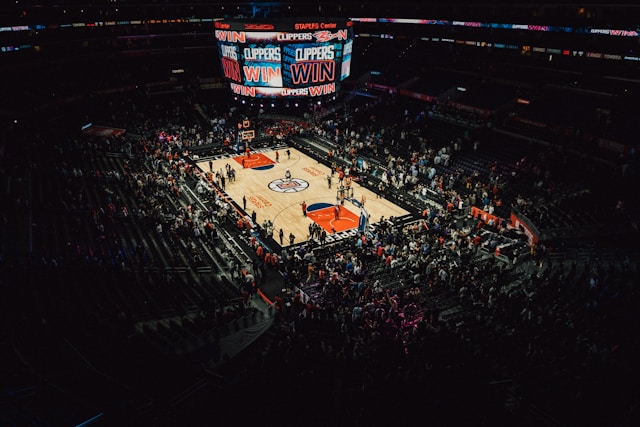
Florida’s sports and recreation sector is experiencing explosive growth. New facilities, professional teams, and recreational opportunities are transforming the state’s sports landscape.
Recent Additions: – Inter Miami CF (MLS): Major League Soccer team playing in Fort Lauderdale – Orlando City SC: Established MLS presence with strong fan base – Tampa Bay Lightning: NHL championship contenders – Miami Heat: NBA powerhouse with recent playoff success – Jacksonville Jaguars: NFL presence in Northeast Florida
Economic Impact: – $2+ billion annually from professional sports – 50,000+ jobs in sports-related industries – Tourism and hospitality spending – Community engagement and pride
Stadium & Arena Development: – Hard Rock Stadium (Miami): Home of Dolphins and Hurricanes; recent renovations – Amway Center (Orlando): Home of Magic; hosting major events – Tropicana Field (Tampa): Home of Rays; modernization ongoing – FTX Arena (Miami): Home of Heat; state-of-the-art facility
Recreation Centers: – New community sports complexes opening across the state – Youth athletic facilities and training centers – Fitness and wellness centers – Outdoor recreation areas
Youth Programs: – Little League Baseball – Youth soccer leagues – Basketball camps and leagues – Swimming and diving programs – Tennis and racquetball facilities
College Athletics: – University of Florida Gators (SEC powerhouse) – Florida State Seminoles (ACC competitor) – University of Miami Hurricanes (ACC member) – UCF Knights (emerging program) – South Florida Bulls (AAC member)
Outdoor Activities: – Beach volleyball and surfing – Kayaking and paddleboarding – Fishing (saltwater and freshwater) – Hiking and trail activities – Golf (1,000+ courses statewide)
Indoor Activities: – Climbing gyms – Bowling alleys – Racquetball and squash courts – Swimming pools and aquatic centers – Martial arts studios
Direct Spending: – Professional sports: $2+ billion annually – Youth sports: $1+ billion annually – Recreation facilities: $500+ million annually – Equipment and apparel: $1+ billion annually
Employment: – 50,000+ direct jobs – 100,000+ indirect jobs – Coaching and instruction – Facility management and operations – Event management and hospitality
Physical Health: – Increased physical activity reduces obesity and chronic disease – Improved cardiovascular health – Enhanced strength and flexibility – Better overall fitness
Mental Health: – Stress reduction and anxiety relief – Improved mood and emotional well-being – Social connection and community – Enhanced self-esteem and confidence
Youth Development: – Discipline and teamwork skills – Leadership development – Academic performance improvement – Reduced behavioral issues
Challenges: – Access and affordability for low-income families – Facility maintenance and funding – Coaching and instruction quality – Inclusivity and diversity
Opportunities: – Expansion of youth programs – Development of new facilities – Community engagement and partnerships – Health and wellness initiatives – Economic growth and job creation
For Youth: – Enroll in local youth sports leagues – Participate in school athletics – Explore recreational activities – Attend professional sporting events
For Adults: – Join recreational leagues – Participate in fitness classes – Volunteer as coaches or officials – Support local teams and facilities
For Communities: – Advocate for facility development – Support youth sports programs – Partner with schools and organizations – Invest in recreational infrastructure
Florida’s sports and recreation sector is positioned for continued growth. With new facilities, professional teams, and expanded recreational opportunities, the state offers something for everyone—from elite athletes to casual participants seeking health and wellness.

Florida’s economy is booming, but workforce shortages in key sectors threaten growth. Innovative training programs are preparing workers for high-demand, high-wage careers.
Current Situation: – 150,000+ job openings across Florida – Shortage of skilled workers in healthcare, technology, trades, and manufacturing – Wage growth outpacing worker availability – Employers struggling to fill positions
High-Demand Sectors: – Healthcare (nursing, medical technicians, therapists) – Technology (software developers, IT specialists, cybersecurity) – Skilled Trades (electricians, plumbers, HVAC technicians) – Manufacturing (CNC operators, welders, machinists) – Hospitality (management, specialized culinary)
Community Colleges: Florida’s 28 community colleges offer affordable, accessible training: – Healthcare Programs: Nursing, medical assistant, phlebotomy, respiratory therapy – Technology Programs: Coding, cybersecurity, network administration, data analysis – Trades Programs: Electrical, plumbing, HVAC, welding, construction – Hospitality Programs: Culinary arts, hotel management, event planning
Average Costs: $3,000–$8,000 for certificate programs; $8,000–$15,000 for associate degrees
Apprenticeship Programs: Earn while you learn: – Registered Apprenticeships: Combine classroom instruction with on-the-job training – Duration: 2–5 years depending on trade – Earnings: $25,000–$50,000+ annually during apprenticeship – Job Placement: 90%+ placement rate upon completion
Employer-Sponsored Training: Companies invest in worker development: – Healthcare Systems: Nursing and medical technician programs – Tech Companies: Coding bootcamps and IT certification programs – Manufacturing: CNC and welding programs – Hospitality: Management and culinary training
Online & Flexible Learning: – Coding bootcamps (12–24 weeks) – Cybersecurity certification programs – Project management training – Business and leadership development
From Unemployment to Tech Career: Maria completed a 16-week coding bootcamp through a community college program, securing a $65,000 software developer position within 3 months of graduation.
Apprenticeship Success: James entered an electrician apprenticeship at age 25, earning $30,000 in year one and $55,000+ by year four upon becoming a journeyman.
Healthcare Career Pivot: Robert transitioned from retail to nursing through an accelerated RN program, now earning $72,000+ annually with strong job security.
Grants & Scholarships: – Federal Pell Grants for low-income students – State workforce development grants – Employer tuition reimbursement – Nonprofit scholarships
Workforce Development Funds: – WIOA (Workforce Innovation and Opportunity Act) funding – Dislocated worker programs – Veterans training benefits – SNAP Employment & Training programs
Registered Apprenticeships: Employers partner with training providers to develop skilled workers: – Guaranteed pipeline of trained talent – Customized training to employer needs – Reduced hiring and training costs – Improved employee retention
Tuition Reimbursement: Many employers offer tuition assistance for employees pursuing relevant certifications and degrees.
Challenges: – Awareness gap (many don’t know programs exist) – Childcare and transportation barriers – Time constraints for working adults – Skills mismatch between training and employer needs
Opportunities: – Rapid career advancement in high-demand fields – Strong earning potential – Job security in essential sectors – Pathway to entrepreneurship
Step 1: Identify your interests and career goals
Step 2: Research available programs (community colleges, apprenticeships, online)
Step 3: Explore financial aid options
Step 4: Enroll and complete training
Step 5: Secure employment and advance your career
Florida’s workforce development initiatives are positioning workers for success in a dynamic economy. With accessible training, financial support, and employer partnerships, career advancement is within reach.
Florida’s waterways face unprecedented challenges from harmful algae blooms and red tide events. These environmental crises threaten public health, tourism, and marine ecosystems.
Harmful Algae Blooms (HABs): – Rapid growth of toxic algae in freshwater systems – Caused by excess nutrients (nitrogen, phosphorus) from agricultural runoff, sewage, and urban stormwater – Produce toxins harmful to humans and animals – Turn water green, brown, or red
Red Tide: – Harmful algae bloom in saltwater (Gulf of Mexico, Atlantic) – Caused by Karenia brevis organism – Produces brevetoxins that accumulate in shellfish – Causes respiratory irritation, fish kills, and beach closures
2024 Algae Bloom Season: – Lake Okeechobee experienced significant blooms affecting water quality – Caloosahatchee and St. Lucie Rivers impacted, affecting coastal communities – Beaches closed due to red tide and algae concerns – Tourism and fishing industries affected
Health Impacts: – Respiratory irritation from airborne toxins – Shellfish poisoning from contaminated seafood – Skin irritation from water contact – Neurological effects in severe cases
Economic Costs: – Tourism losses ($100+ million annually) – Fishing industry impacts – Property value declines in affected areas – Healthcare and environmental remediation costs
Excess Nutrients Agricultural fertilizer runoff, sewage discharge, and urban stormwater introduce excess nitrogen and phosphorus, fueling algae growth.
Warm Water Rising water temperatures from climate change create ideal conditions for algae proliferation.
Stagnant Water Reduced water flow in lakes and rivers allows algae to accumulate.
Saltwater Intrusion Rising sea levels and groundwater extraction alter salinity, affecting marine ecosystems.
Water Quality Improvements: – Upgraded wastewater treatment plants – Stormwater management systems – Agricultural best practices to reduce runoff – Septic system upgrades
Ecosystem Restoration: – Everglades restoration projects – Seagrass restoration in coastal areas – Mangrove protection and expansion – Oyster reef restoration
Monitoring & Research: – Real-time water quality monitoring – Algae bloom prediction models – Toxin detection systems – Research into bloom prevention
Policy & Regulation: – Nutrient pollution limits – Stormwater management requirements – Agricultural runoff controls – Coastal protection regulations
Reduce Nutrient Pollution: – Use phosphate-free fertilizers – Maintain septic systems properly – Reduce pesticide use – Manage stormwater runoff
Support Water Quality: – Participate in beach cleanups – Support environmental organizations – Advocate for water quality policies – Report pollution incidents
Protect Marine Life: – Practice sustainable fishing – Avoid touching marine life – Properly dispose of fishing gear – Reduce plastic use
Water quality improvement requires sustained effort: – Continued funding for restoration and monitoring – Agricultural reform to reduce runoff – Urban stormwater management improvements – Climate action to address warming – Community engagement and support
Progress is being made, but challenges remain. With commitment and innovation, Florida can restore and protect its vital water resources.
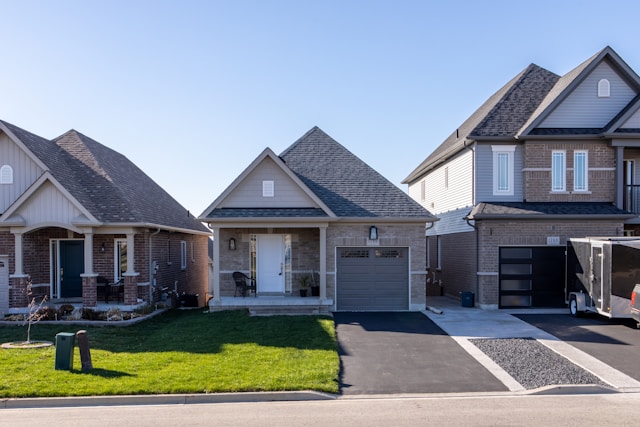
Florida’s affordable housing shortage has reached crisis levels, with thousands of families struggling to find safe, affordable homes. However, new state and local initiatives are beginning to address the problem.
Current Situation: – Shortage: 500,000+ affordable units needed statewide – Affordability Gap: 40%+ of renters spend more than 30% of income on housing – Homelessness: 30,000+ homeless individuals in Florida – Cost Burden: Median rent exceeds 35% of median income in many areas
The shortage affects working families, seniors, and vulnerable populations most severely.
Population Growth Florida’s population has grown 15%+ in the past decade, outpacing housing construction.
Development Costs Rising land, labor, and material costs make affordable housing development economically challenging.
Investor Demand Institutional investors purchasing single-family homes and rental properties drive up prices.
Zoning Restrictions Local zoning laws often limit multifamily housing development, reducing supply.
Stagnant Wages Wage growth hasn’t kept pace with housing cost increases, widening the affordability gap.
State-Level Programs:
Florida Housing Finance Corporation Funding: $500+ million allocated for affordable housing development and preservation.
Affordable Housing Density Bonus: Developers receive incentives (reduced parking requirements, height bonuses) for including affordable units.
Community Development Block Grants: Federal funds distributed to local governments for housing and community development.
Local Initiatives:
Miami-Dade County: $500 million affordable housing trust fund; inclusionary zoning requirements for new development.
Broward County: Affordable housing preservation programs; down payment assistance for first-time homebuyers.
Hillsborough County (Tampa): Expedited permitting for affordable housing projects; tax incentives for developers.
Orange County (Orlando): Mixed-income development requirements; community land trusts.
Modular & Prefab Housing Factory-built homes reduce construction costs by 15–30%, making affordable housing more economically viable.
Community Land Trusts Nonprofits acquire land and lease to residents, separating land costs from housing costs and improving affordability.
Mixed-Income Development Combining market-rate and affordable units in single developments improves financial viability.
Adaptive Reuse Converting vacant commercial buildings into residential units reduces development costs.
Tiny Homes & ADUs Accessory dwelling units and smaller homes reduce per-unit costs.
Miami Beach Housing Initiative: 200+ affordable units created through partnerships with developers and nonprofits.
Tampa Bay Workforce Housing: 500+ units developed for essential workers (teachers, healthcare workers, first responders).
Jacksonville Community Land Trust: 300+ families housed through community land trust model.
Support Affordable Housing: – Vote for candidates supporting affordable housing – Advocate for zoning changes allowing multifamily housing – Support nonprofit housing organizations
Access Available Resources: – Apply for down payment assistance programs – Explore affordable housing waiting lists – Contact local housing authorities for rental assistance
Participate in Solutions: – Volunteer with nonprofit housing organizations – Participate in community land trust initiatives – Advocate for policy changes
Solving Florida’s affordable housing crisis requires sustained commitment: – Increased funding for affordable housing development – Zoning reform to allow diverse housing types – Developer incentives for affordable unit creation – Community engagement and support – Long-term planning and coordination
Progress is being made, but the challenge remains immense. With continued effort and innovation, Florida can build a more affordable housing future.
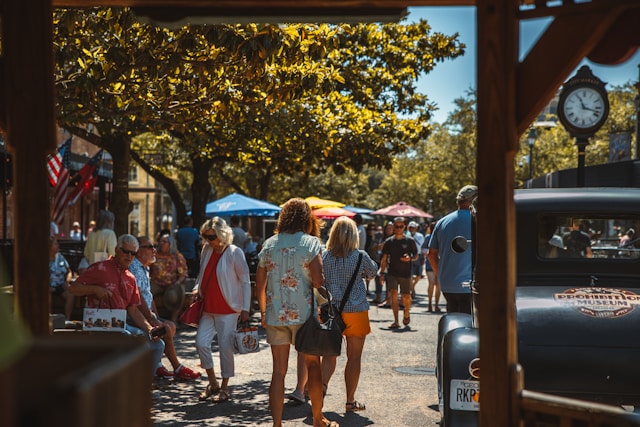
Florida’s tourism industry is experiencing a remarkable recovery and expansion. After pandemic disruptions, visitor numbers are reaching all-time highs, generating unprecedented economic activity across the state.
2024 Tourism Records: – Visitor Count: 137+ million visitors to Florida (2024 projection) – Economic Impact: $112+ billion in direct spending – Jobs: 1.5+ million tourism-related jobs – Tax Revenue: $11+ billion in state and local tax revenue
These figures represent significant growth compared to pre-pandemic levels, with 2024 expected to be Florida’s strongest tourism year on record.
Pent-Up Demand Post-pandemic travelers are eager to explore and vacation. Florida’s warm weather, beaches, and attractions make it a top destination for domestic and international visitors.
International Recovery International visitor numbers are rebounding strongly, particularly from Canada, the UK, and Latin America. Currency fluctuations and improved travel conditions are driving this recovery.
New Attractions & Experiences Recent openings and expansions are attracting visitors: – Universal’s Epic Universe (opening 2025) – New resort developments – Enhanced dining and entertainment options – Expanded cruise port capacity
Remote Work & Extended Stays Many visitors are extending stays or relocating temporarily, taking advantage of remote work flexibility. This extends visitor spending and benefits local communities.
Miami-Dade County: Art Deco Historic District, South Beach, cultural attractions, and nightlife continue attracting millions annually.
Orange County (Orlando): Theme parks (Disney World, Universal, SeaWorld) drive 75+ million annual visitors.
Hillsborough County (Tampa): Busch Gardens, cruise ports, and cultural attractions attract 15+ million visitors annually.
Monroe County (Keys): Unique island culture and natural beauty draw 1+ million visitors annually.
Duval County (Jacksonville): Beaches, historic sites, and emerging attractions attract 5+ million visitors.
Hotels & Accommodations: $35+ billion in annual revenue Dining & Restaurants: $28+ billion in annual revenue Attractions & Entertainment: $22+ billion in annual revenue Retail & Shopping: $18+ billion in annual revenue Transportation: $9+ billion in annual revenue
Challenges: – Workforce shortages in hospitality sector – Rising labor and operational costs – Infrastructure strain in popular destinations – Environmental concerns (sea level rise, water quality) – Hurricane season impacts
Opportunities: – Expansion of cruise industry – Development of eco-tourism experiences – Growth in adventure and sports tourism – Enhanced digital experiences and technology – International market expansion
Industry experts predict sustained growth through 2025 and beyond: – 2025 Projection: 140+ million visitors – Economic Impact: $115+ billion in spending – Job Growth: Continued expansion in hospitality and tourism services – New Attractions: Ongoing development and expansion
Florida’s tourism industry is positioned for sustained growth, providing economic stability and job opportunities across the state.